TOWN AND ISLAND OF PAG
TOWN OF PAG
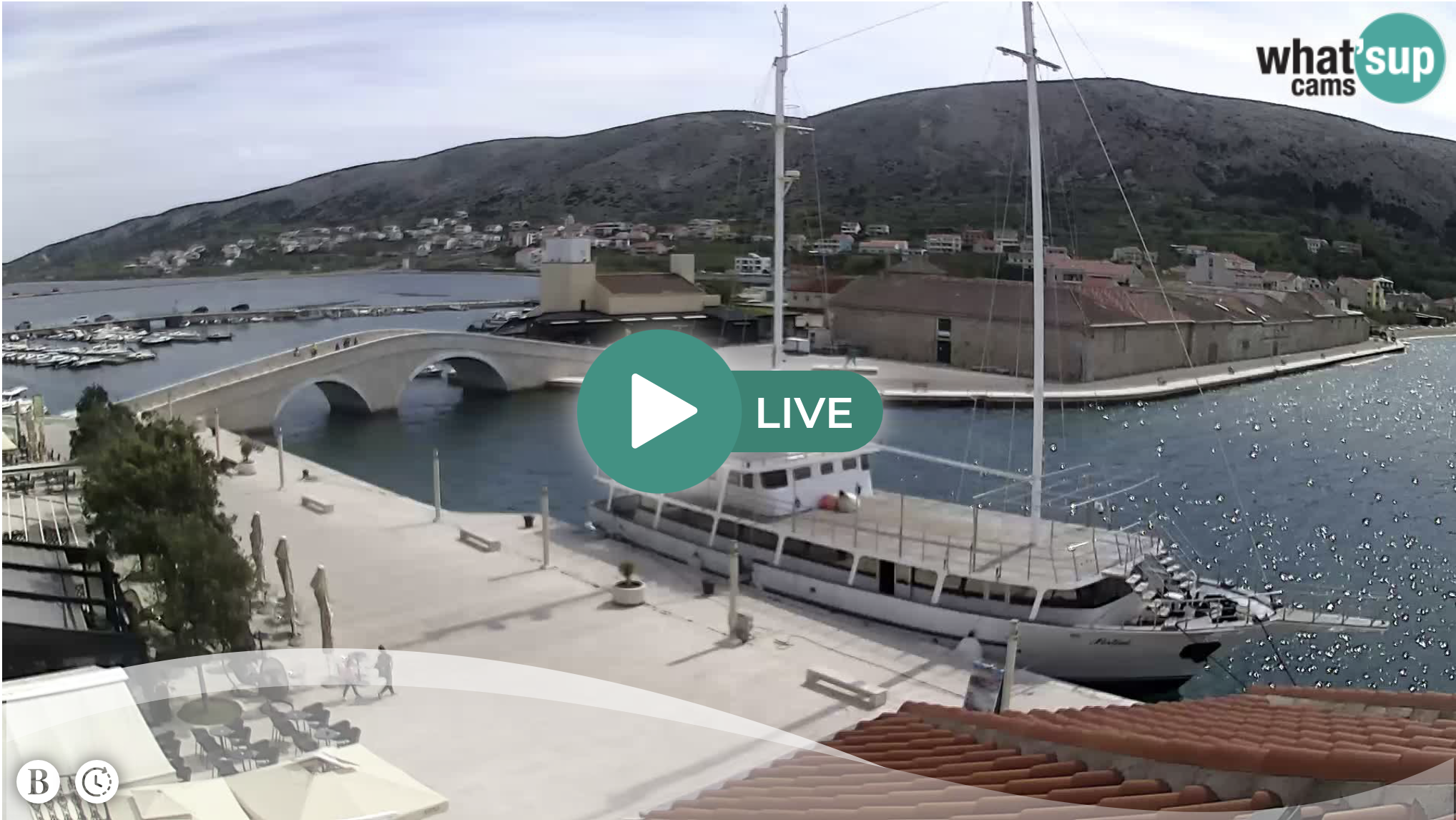
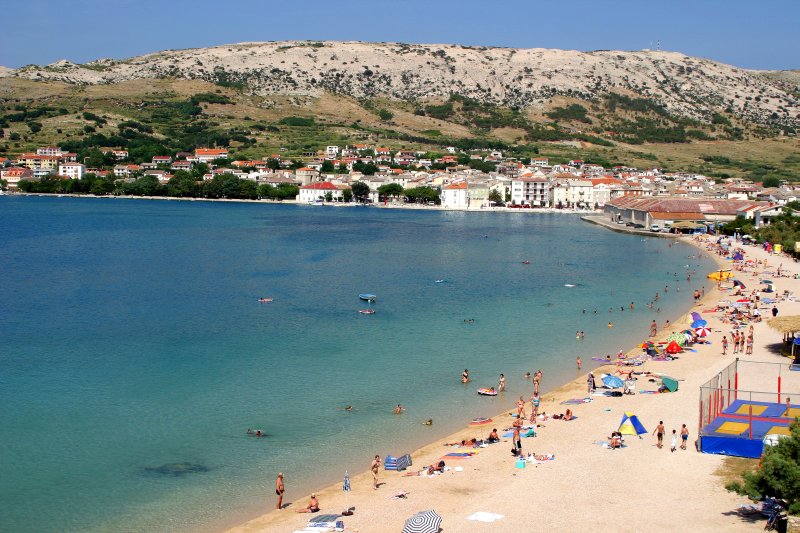
The town of Pag is the most historically and culturally interesting place on the island of Pag, with a long and turbulent history witnessed through numerous landmarks.
The town of Pag was relocated several times throughout history before construction began at its current location in the 15th century, following an architectural and urban plan created by one of Croatia’s greatest builders, Juraj Dalmatinac.
The town centre of Pag is today largely preserved and restored. Notable cultural monuments include: the parish church of St. Mary on the main square, the Skrivant Tower, the town walls, and the Rector’s Palace.
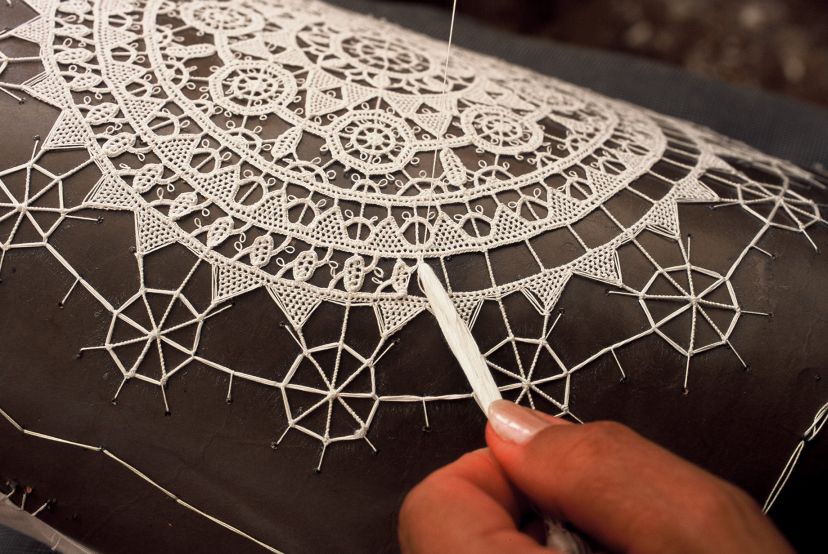
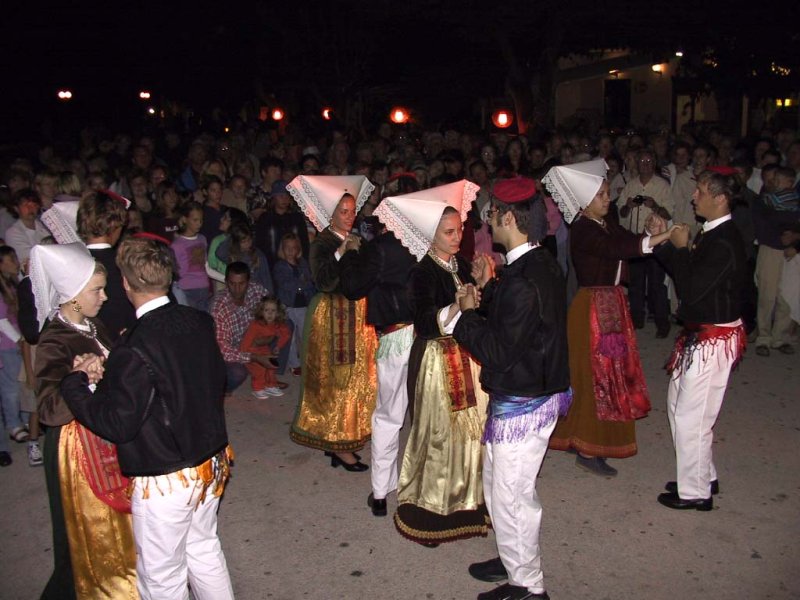
Besides historical monuments, the town of Pag is also known for its rich cultural heritage. Most famous is certainly the Pag lace — recently placed under UNESCO protection as Croatian intangible heritage. In addition to Pag lace, there is also the traditional Pag costume and the Pag tanac (dance).
Baškotin — a golden twice-baked bread — one of Croatia’s original products, is made by Benedictine nuns and can only be purchased at the Monastery of St. Margaret in the town centre. Baškotin is one of the rare Croatian products bearing the labels “Originally Croatian” and “Croatian Island Product”.
ISLAND OF PAG
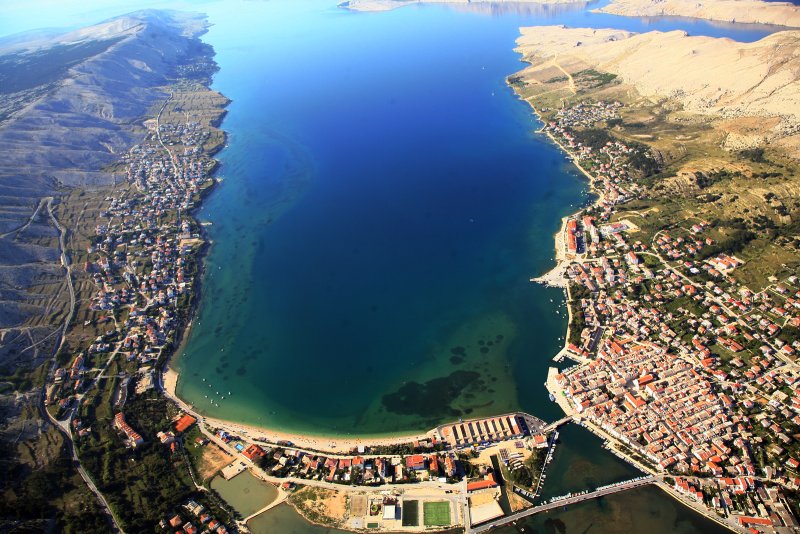
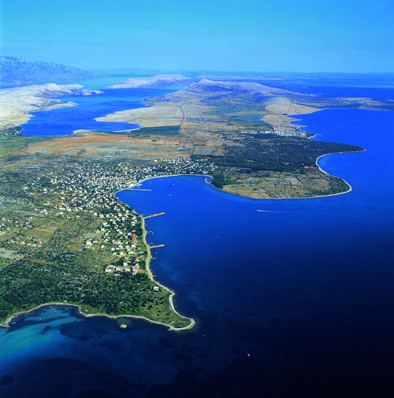
The island of Pag was relocated several times throughout history before construction began at its current location in the 15th century, following an architectural and urban plan created by one of Croatia’s greatest builders, Juraj Dalmatinac. The town centre of Pag is today largely preserved and restored. Notable cultural monuments include: the parish church of St. Mary on the main square, the Skrivant Tower, the town walls, and the Rector’s Palace.
PAG CHEESE AND PAG LACE
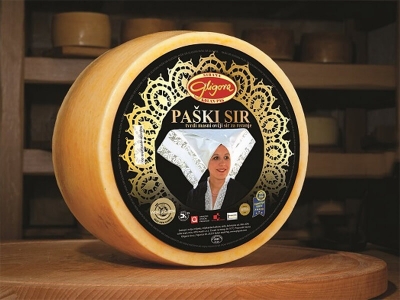
Pag cheese is produced from the milk of sheep that graze on hillside pastures rich in aromatic herbs, exposed to sea salt spray carried by frequent bura winds. It is precisely this grazing that gives Pag cheese its distinctive and recognisable aroma.
Pag lace is one of Croatia’s most famous souvenirs. It is made in the town of Pag on the island of Pag, sewn with a needle, and has been preserved in its original form to this day. Pag lace can be purchased from lacemakers who, during the summer months, sew in front of the doors of their homes.